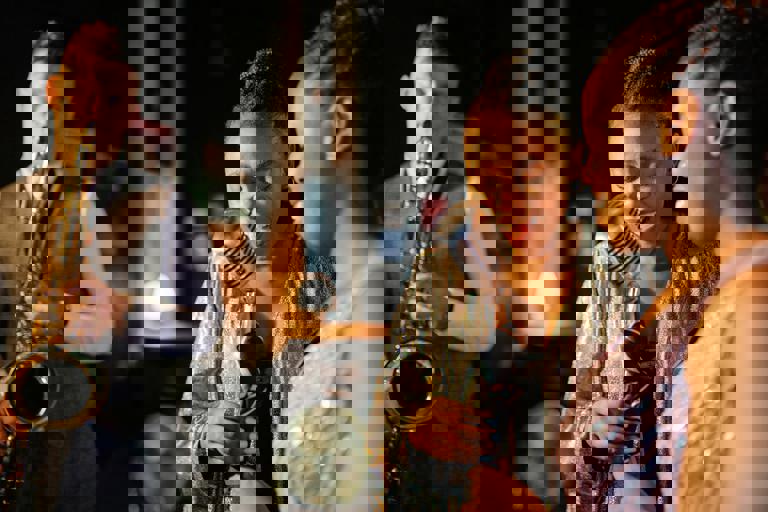
In recent months, a wave of hidden jazz clubs has quietly begun to transform London’s nightlife, captivating audiences eager for an intimate musical experience. These secret venues, sometimes tucked into basements or behind discreet doorways, are reclaiming the capital’s long-standing love affair with jazz. Reviving a scene that once thrived in smoky post-war bars, today’s offerings are both retro in ambiance and refreshingly modern in execution, pulling in diverse crowds seeking authenticity.
The resurgence comes at a time when larger events and crowded arenas are losing some appeal, especially among younger Londoners. "People want connection and atmosphere, not just spectacle," suggests Alice O'Reilly, a music promoter who manages several venues in Shoreditch. The allure of mystery and exclusivity, coupled with expertly curated performances, is providing a profoundly different night out compared to mainstream alternatives.
Unlike sprawling concert halls, these jazz clubs focus on cultivating close-knit environments where attendees sit within arm’s reach of the musicians. Patrons speak of the thrill in watching a pianist’s fingers up close or feeling the vibrations of a double bass. Many locations limit audience size to fifty or fewer, which, as regular visitor Theo James explains, "makes every gig feel like a private affair, almost as if the band is performing just for you."
Social media and word-of-mouth have proven vital in propelling the popularity of these venues. Instead of relying on traditional advertising, many operators share hints or cryptic invitations on private mailing lists and Instagram stories. This digital secrecy adds to the charm—those in the know feel part of an underground community. According to venue owner and saxophonist Jamal Edwards, “It keeps things special. Our guests appreciate being part of something that isn’t mass marketed.”
The diversity of acts appearing in these clubs is another key draw. While classic standards and bebop remain staples, club bookers often spotlight contemporary improvisers and cross-genre collaborations, reflecting London’s multicultural music scene. Performers might blend jazz with Afrobeat, electronica, or even spoken word. This curatorial boldness regularly attracts music connoisseurs and curious newcomers alike, building broader appeal.
Ticketing practices are also evolving to match the intimate ethos. Most venues avoid conventional ticketing platforms and instead use direct bookings or even casual RSVP systems. This approach fosters a sense of trust and exclusivity among patrons. Tickets are often reasonably priced—averaging £10 to £20—making high-quality live music more accessible while preserving the financial sustainability of the clubs themselves.
Financially, these jazz clubs often operate on a shoestring, relying on community support and goodwill. Many are run by musicians or enthusiasts who reinvest profits into better facilities or artist fees. Local microbreweries and food vendors have found partnerships with some venues, helping to further offset costs. As a result, guests are sometimes treated to unique, locally-sourced refreshments that enhance the overall experience.
The city’s rich jazz history provides fertile ground for these modern reincarnations. London’s jazz roots go back to the 1920s, with legendary haunts like Ronnie Scott’s paving the way. While those legacy establishments remain important, the emerging wave of hidden clubs caters to new tastes, offering more flexible programming and spontaneous collaborations among artists who might not otherwise share a stage.
Londoners are embracing the spontaneity, with club-hopping becoming a Friday night tradition in certain circles. Many say that the thrill comes from never quite knowing what to expect—one evening might feature a veteran saxophonist, while the next showcases a rising vocal talent. “There’s a real sense of discovery,” notes Hannah Wilson, a jazz fan from Camden. "Every time you go, you experience something surprising."
Musicians themselves are energized by the opportunities. Intimate venues encourage risk-taking and creative freedom, leading to memorable improvisational moments. Drummer and bandleader Marcus Bennett comments, "Playing up close with the audience fuels us. We interact, adapt, and sometimes even involve the crowd in our sets. It’s a much more personal exchange than playing a big stage."
Many predict this resurgence will have lasting effects on the wider music scene. Cultural analysts suggest that by supporting grassroots venues, London is cultivating the next generation of jazz talent. The informal performance spaces serve as incubators for musicians, providing much-needed stage time and exposure without the pressures of commercial expectation. This grassroots revival could ultimately feed into larger festivals and national music programs.
Looking ahead, the challenge will be balancing the intimacy that makes these venues appealing with the growing demand from wider audiences. As more Londoners seek out these experiences, club operators are considering ways to preserve their unique charm without compromising authenticity. Whether through secret pop-up nights or carefully curated memberships, the city’s hidden jazz clubs look set to strike a harmonious note within London’s ever-changing cultural landscape.